
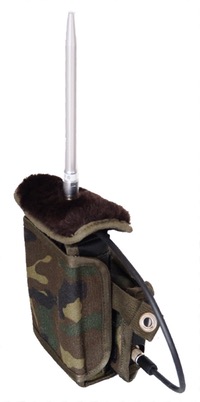
 Normal detection
 Longterm monitoring
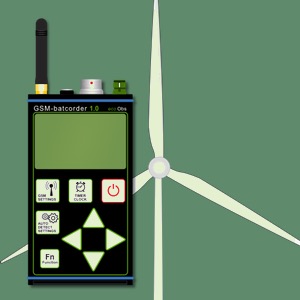 Nacelle monitoring
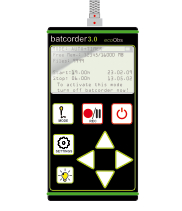 Normal detection


Microphone calibration
A prerequisite for sampling comparable acoustic data is identical sensitivity of the different used detectors. Otherwise a more sensitive detector may seem to produce better data or larger amounts of bat passes. Without calibrated detectors data is neither suited for reliable data acquisition nor for court-proof surveys in consulting projects.
The batcorder was the first commercial passive detector that is calibrated and for which we offer a yearly recalibration. Still a feature rarely found in detectors. Most detectors still are uncalibrated with the microphones showing deviations of at least 6 dB range. Nevertheless research projects in the context of wind power production and bats have clearly shown the necessity of calibrated detectors.
Why calibrate?
The microphone as "ear" of the detectors has a crucial influence on what can be recorded. The microphone and amplifier sensitivity is directly influencing the detection distance of bat calls. Lower sensitivity leads to lower distance. Even just 6 dB difference means halving of detection range. 6 dB difference is not uncommon between the same microphone type. Thus without calibration your detectors can easily have this difference in sensitivity.
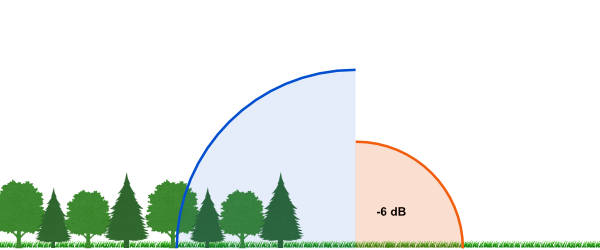
Microphones of the same type may show a difference in sensitivity directly after production. While these often are only slight differences they can be higher for some mics. When in use the microphone is prone to weather conditions - it has to be to record sound properly. Due to age sensitivity for most microphones reduce over time and within a few years may drop significantly.
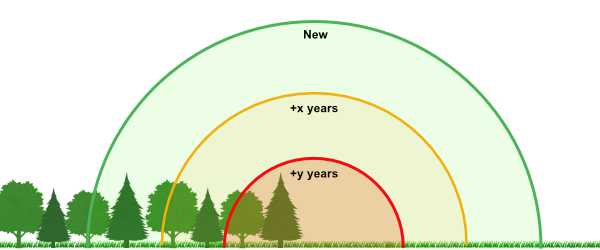
Without re-adjusting for such a sensitivity loss the detector will have a reduced detection range over time. Since this often is a rather gradual process the user will detect this only after the range has decreased strongly. Due to this fewer bat passes will be recorded.
Annual calibration
Since 2007 we offer an annual recalibration of your microphone. For this we only need the microphone in house (exception: batcorder 1.0). We use a specifically designed setup and measure the microphone deviation from normal. This usually takes 15 to 30 minutes. After that we send the mic back together with an updated microphone correction factor (MCF) which you then set for your batcorder. From then on you have the original sensitivity.
You can send your microphones anytime, yet we kindly ask sending them in just after season end, so we have enough time to do the calibration and can send them back before the next season starts. Depending on the current time of year and the amount of microphones sent in, calibration can take 2 to 4 weeks. Usually because we then have a couple of hundred microphones sent in.
-
warum-kalibrieren-ecoobs.pdf